Every teen needs a caring adult who shows up for them
Written by Ross Meyer, Interact for Health
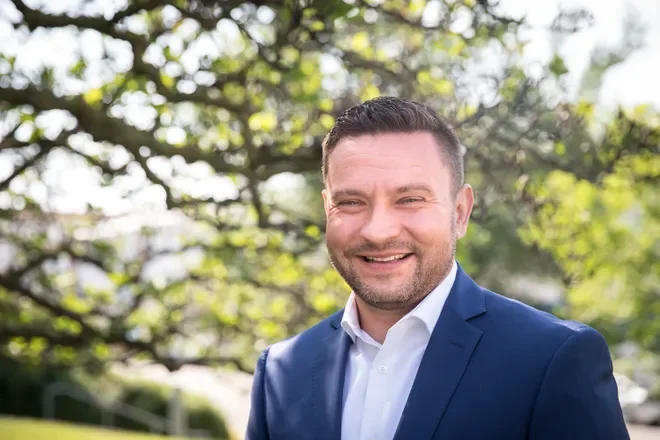
When I was 13, I was adrift. Isolated, unsure of myself, just trying to fit in. I had a loving family and a stable upbringing in Finneytown − and still, I felt lost.
It was a teacher, Steve Elliott, who helped me find my footing. He saw me when I felt invisible, took an interest, and followed up − again and again. He asked questions, stayed curious, and helped me see possibilities I hadn’t considered. That steady presence helped me find direction and purpose.
When adults talk about what young people need most right now, the answers often sound big: fewer screens, more mental health services, safer communities. All of that matters. But as a parent, a coach, and someone who works in youth mental health, I’m convinced something simpler is often overlooked.
Young people need caring adults who show up.
Being the father of three teenage boys has taught me that growing up today comes with new and heavy pressures − academic stress, increasing social isolation, deepening polarization, and nonstop digital noise. What young people need − what all of us need − is to be seen and heard by people who care. To feel like we matter.
January is National Mentoring Month, a time to recognize the impact supportive adults can have on young people’s lives. It comes at a critical moment, as many teens experience rising levels of stress, anxiety, and loneliness.
As a longtime soccer coach, I’ve seen how showing up for kids makes a difference − often in the small moments. It happens when you notice a kid hanging their head after a tough loss. When you check in with someone who seems off. When you show up with consistency and care. Years later, I know former players won’t talk much about wins or losses. They’ll talk about the adults who believed in them.
That message has been echoed by young people across our region. Through the HEY! Greater Cincinnati initiative, young people have called for more safe, trusted adults as a key solution to the youth mental health crisis. They understand what research also tells us: Young people who have at least one steady, caring adult in their lives are better equipped to handle stress and setbacks. Feeling seen builds resilience. It doesn’t remove challenges, but it makes them easier to face. It can even save a life: According to the Trevor Project, LGBTQ+ youth with at least one accepting adult are 40% less likely to attempt suicide.
The good news is that any of us can make a difference. The first step is simply to ask.
Ask a young person how they’re really doing and be prepared to listen. The A.S.K. campaign − which stands for Acknowledge, Support, and Keep in Touch − provides a simple playbook to feel more confident offering emotional support.
For those who want to go deeper, free trainings such as the Be There Certificate or 1N5’s local offerings provide practical tools for recognizing distress and responding with care.
And if you’re ready to get involved, our community needs you. We Mentor Cincy connects caring adults with young people in meaningful ways − from speaking in a classroom to consistent, one-on-one mentoring.
At a time when youth mental health is rightly in the spotlight, let’s remember that real change often begins one relationship at a time. It begins when an adult notices a young person, takes an interest, and follows up − not just once, but again and again.
When I was 13, one caring adult did that for me. He saw me when I felt invisible and kept showing up. This National Mentoring Month, I hope more Cincinnatians will choose to do the same. Because for a young person who’s struggling, consistency from a caring adult can change a life.
A Cincinnati native, Ross Meyer is the father of three teenagers, a longtime coach for SAY soccer, and an executive at Interact for Healthworking to improve youth mental health and wellbeing.